
Athletic performance relies on smooth, efficient movement patterns—but even small imbalances in...
When you are sidelined by an injury, the first question is usually: when can I get back to my workouts? Whether it is a nagging shoulder during overhead presses or sharp knee pain after a long run, time away from training is frustrating. At Paradigm Performance Therapy, we understand that for athletes in Wilmington, NC, every day away from the gym or the trail feels like a setback.
Recovery timelines are not one-size-fits-all. They depend on the nature of your injury, your body's healing rate, and the quality of care you receive. Here is what you need to know about how long recovery actually takes and how performance physical therapy can streamline the process.
Understanding the Timeline for Tissue Healing
Recovery time is heavily influenced by the type of tissue injured. While your motivation may be ready to jump back into a CrossFit WOD, your biology follows its own schedule. Muscles, which have high blood flow, can heal within two to four weeks for minor strains. Tendons and ligaments, which have less blood supply, often take six to twelve weeks or longer to regain full integrity.
Healing is a process, not a single event. You might feel better within a few days of starting treatment, but internal tissue remodeling continues long after pain subsides. This is why training through pain without professional guidance so often leads to chronic overuse injuries or reinjury.
Symptom Relief vs. True Performance Recovery
At Paradigm Performance Therapy, the goal is never simply to mask symptoms. The focus is on building a body that is more resilient than it was before the injury. That means moving through three distinct phases of care.
Phase 1: Alleviating Acute Pain
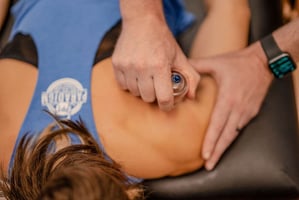
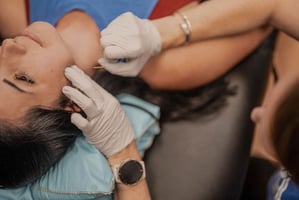
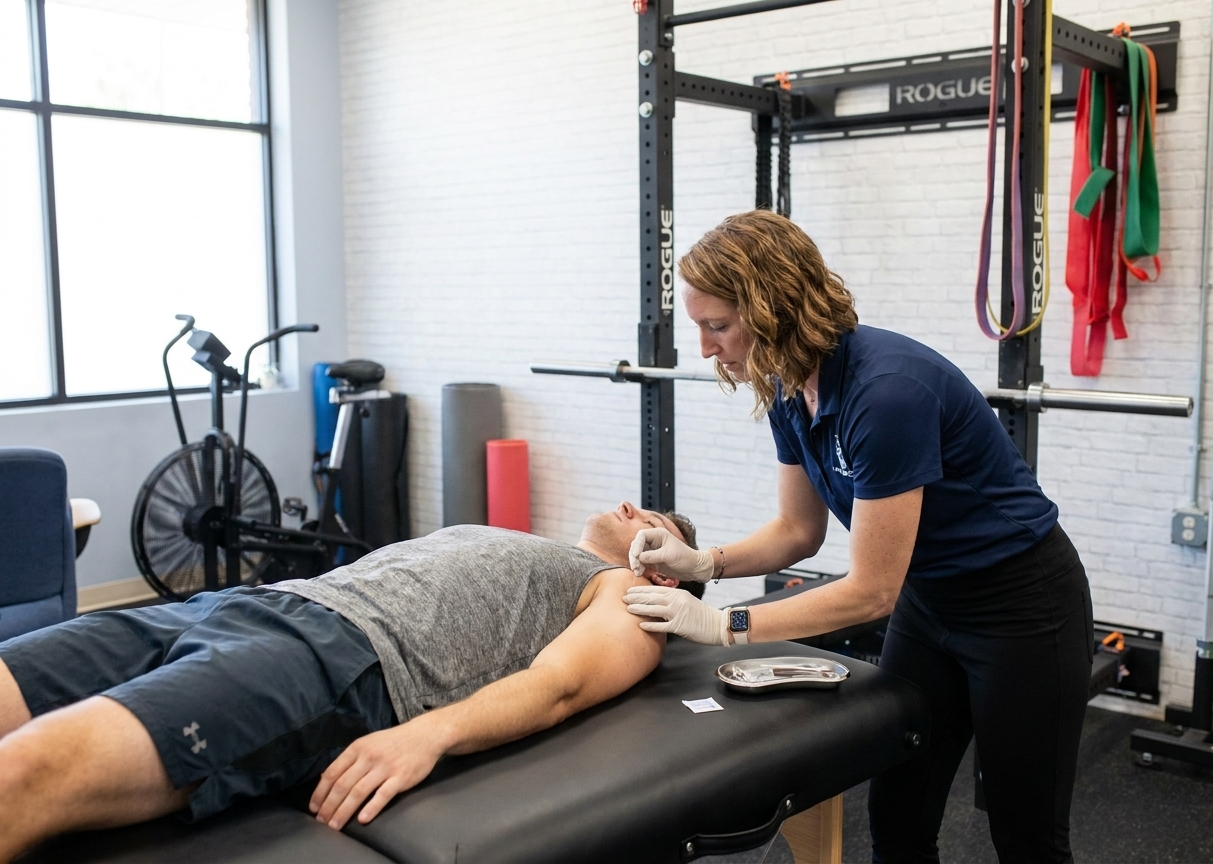
The initial phase focuses on reducing inflammation and restoring basic movement. Using tools like dry needling, cupping, and manual therapy, the aim is to decrease pain levels quickly. Significant relief often occurs within the first one to three sessions. While that relief is meaningful, it is only the beginning of the recovery process.
Phase 2: Correcting the Root Cause
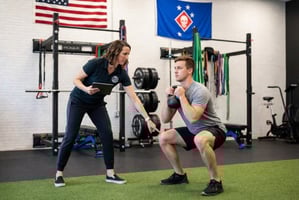
Once acute pain is manageable, a Functional Movement Assessment is used to identify why the injury happened in the first place. This phase addresses biomechanical imbalances and mobility restrictions through neuromuscular re-education, joint mobilization, and soft tissue mobilization. Correcting the root cause is what prevents the injury from returning the moment training intensity increases.
Phase 3: Training for Resilience
The final phase is what separates sports performance physical therapy from standard rehabilitation. Rather than stopping at pain-free, this phase uses therapeutic exercise and sports performance training to optimize output. Your body is prepared for the specific demands of CrossFit, running, or weightlifting so that you return to sport with full confidence.
Factors That Accelerate or Delay Recovery
Several variables determine how quickly you move through each phase.
- Consistency: Adhering to your prescribed corrective exercises is the single fastest way to see results.
- Focused, one-on-one care: Spending dedicated time with a physical therapist allows for precise adjustments that are not possible in high-volume clinic settings.
- Advanced modalities: Integrating IASTM, blood flow restriction (BFR), and athletic taping into a single session can accelerate the transition from pain to performance.
- Lifestyle factors: Sleep quality, nutrition, and stress levels all play a significant role in how quickly tissues repair.
Why Specialized Care in Wilmington Gets You Back to CrossFit Faster
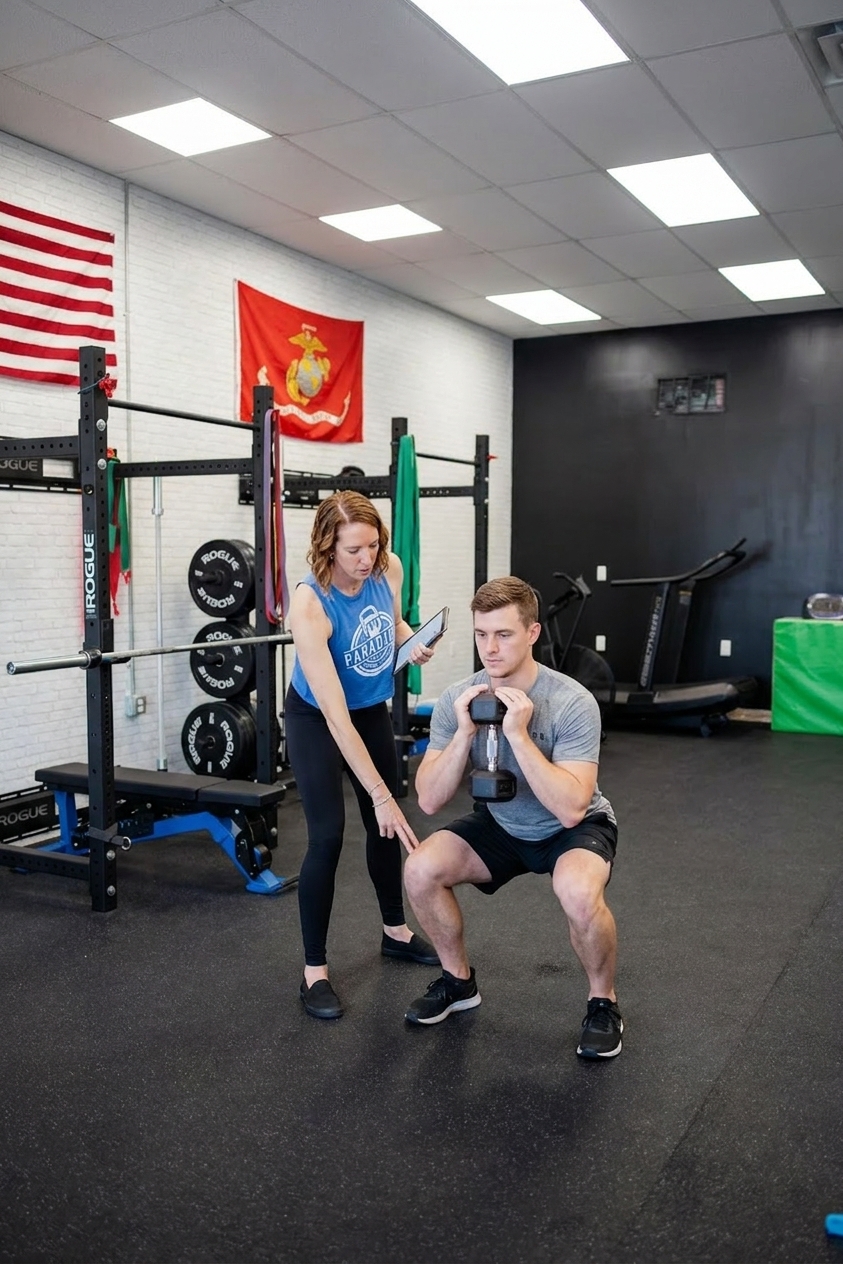
Generic rehabilitation programs address symptoms in isolation. Performance physical therapy in Wilmington takes a different approach by examining your specific movement patterns, whether that is squat mechanics, overhead positioning, or running gait analysis, to ensure your recovery is built around your actual sport and lifestyle.
At Paradigm Performance Therapy, direct access means you can be seen immediately after an injury without waiting for a physician referral. Sessions are longer and more focused, which means patients often require fewer total visits to reach their goals. Whether you are managing a rotator cuff injury, runner's knee, Achilles tendinopathy, or chronic low back pain, every stage of the healing process is addressed with the precision that performance athletes require.
Stop wondering how long recovery will take and start taking active steps toward your return.
Ready to get back to the high-performance lifestyle you love? Contact Paradigm Performance Therapy in Wilmington, NC today to schedule your comprehensive movement assessment.