
You push your body hard. Whether you are chasing a new PR in the box, logging miles along the Riverwalk, or grinding through another triathlon training block, you know what it feels like to hit a wall. Maybe it is nagging shoulder pain during overhead lifts, a knee that aches after every run, or a hip that just will not loosen up before a WOD.
If you have tried general physical therapy before and left feeling like just another patient on a conveyor belt, you are not alone. Active adults and athletes in Wilmington deserve more than generic exercises and rushed appointments. You deserve a provider who understands the specific demands of CrossFit, running, weightlifting, and competitive training — and that is exactly what Paradigm Performance Therapy was built to deliver.
What Makes Performance and CrossFit Physical Therapy Truly Different
Traditional physical therapy is often designed to get patients back to basic daily function. That is a reasonable goal for many people, but it falls short for someone who wants to snatch their bodyweight, run a sub-four-hour marathon, or compete in a local CrossFit throwdown.
Performance and CrossFit physical therapy at Paradigm Performance Therapy is built around a different standard. Instead of stopping once pain subsides, treatment continues until you are moving efficiently, loading safely, and performing at the level you expect from yourself.
- Focuses on sport-specific movement patterns like squats, overhead presses, kipping pull-ups, and running mechanics
- Bridges the gap between rehabilitation and true athletic performance
- Uses a whole-body movement assessment that evaluates the entire kinetic chain rather than isolating a single joint
- Prioritizes long-term resilience, not just short-term symptom relief
This approach means your care plan is never generic. It is built around your sport, your goals, and the specific mechanics that contributed to your pain in the first place.
Common Setbacks Active Wilmington Athletes Experience
If you train consistently, certain injuries tend to show up again and again. Recognizing these patterns is the first step toward addressing them properly.
Upper Body and Overhead Movement Issues
- Shoulder pain and impingement from overhead pressing or kipping movements
- Rotator cuff pain or tears from repetitive overhead loading
- Elbow pain, including tennis elbow and golfer's elbow, from grip-intensive lifts
- Wrist pain, carpal tunnel, and hand or finger pain from high-volume training
Lower Body and Running-Related Injuries
- Knee pain, runner's knee, and patellofemoral pain from high-mileage training
- IT band syndrome and Achilles tendinopathy from repetitive impact
- Hip pain, hip impingement, and groin strains common in squatting and running athletes
- Ankle sprains and plantar fasciitis affecting stability and push-off power
Spine and Overuse Concerns
- Low back pain and sciatica from deadlifts, cleans, and heavy carries
- Neck and mid-back pain from poor positioning under load
- General tendonitis and overuse injuries from high training volume without adequate recovery
If any of these sound familiar, you do not have to push through the discomfort or take extended time off. Paradigm Performance Therapy specializes in identifying the root cause behind these patterns so you can train confidently again.
The A.C.T. Method: Your Blueprint for Resilient Performance
At the core of every treatment plan is Paradigm Performance Therapy's proprietary A.C.T. Method. This three-phase framework ensures your care is systematic, evidence-informed, and focused on long-term outcomes rather than temporary relief.
Phase One: Alleviate
The first priority is reducing pain and restoring foundational movement so you can function without compensation. This phase often includes:
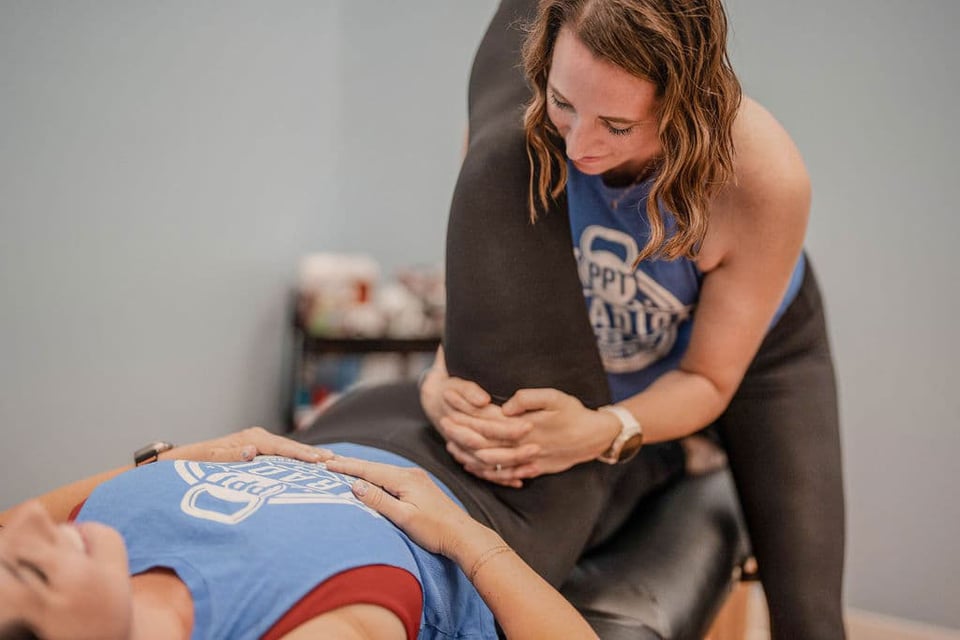
- Manual therapy, joint mobilization, and myofascial release to restore tissue mobility
- Soft tissue mobilization and trigger point therapy to reduce restriction and discomfort
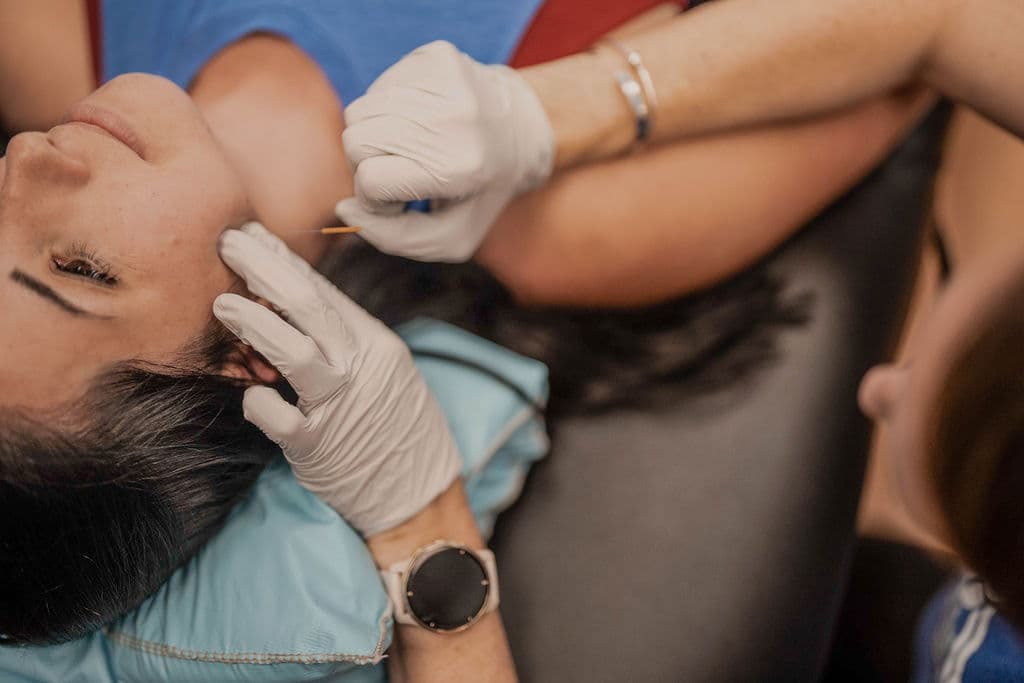
- Dry needling, cupping, and IASTM or Graston techniques to accelerate tissue healing
Phase Two: Classify and Correct
Once acute pain is under control, the focus shifts to identifying exactly why the issue developed. This is where a whole-body movement assessment becomes essential.
- Functional Movement Assessment to uncover compensations and asymmetries
- Running Form Assessment and Running Gait Analysis for runners and triathletes
- Correction of biomechanical faults, muscle imbalances, and movement inefficiencies that contributed to injury
Phase Three: Train
The final phase is where rehabilitation transitions into true performance training.
- Sport-specific strength and conditioning tailored to your discipline
- Neuromuscular re-education and progressive therapeutic exercise
- Return-to-Sport Testing to confirm you are ready to train and compete at full intensity
This structured progression is designed to get you back to the barbell, the trail, or the box stronger and more resilient than before — not just pain-free.
Precision Assessments That Reveal What Is Really Going On
Guessing is not a strategy when it comes to athletic performance. Paradigm Performance Therapy relies on objective testing to guide every treatment decision.
- Functional Movement Assessment to evaluate mobility, stability, and movement quality across the entire body
- Running Form Assessment and Running Gait Analysis to identify inefficiencies that contribute to overuse injuries
- Return-to-Sport Testing to confirm readiness before returning to full training or competition
These assessments provide clear, measurable insight into your body's mechanics rather than relying on assumptions or generic protocols.
A Comprehensive Toolkit for Recovery and Performance
Every treatment plan draws from a wide range of clinically supported techniques, selected based on your specific presentation and goals.
- Manual therapy, joint mobilization, myofascial release, and trigger point therapy to restore mobility
- Dry needling, cupping, and IASTM or Graston to address soft tissue restrictions
- Blood Flow Restriction (BFR) training and neuromuscular re-education to rebuild strength safely
- Therapeutic exercise and taping to support movement throughout the recovery process
These tools work together to support outcomes like injury prevention, improved mobility and flexibility, strength building, and a confident return to running or sport.
The Proactive Edge: Preventing Injury Before It Starts
Most athletes only seek physical therapy after something already hurts. Paradigm Performance Therapy encourages a different mindset — one centered on prehab and prevention.
- Addressing minor movement dysfunctions before they become significant injuries
- Preparing the body for increased training loads during pre-season or pre-competition phases
- Building consistent strength, mobility, and stability to support long-term training longevity
This proactive philosophy means you do not have to wait until pain sidelines you. Investing in your movement quality now can help you train longer and more consistently for years to come.
Rooted in the Wilmington Athletic Community
Paradigm Performance Therapy is more than a clinic. It is an active part of the Wilmington fitness community, working alongside local organizations that share a commitment to performance and injury prevention.
- Partnerships with CrossFit Reignited and CrossFit Coalition to support local CrossFit athletes
- Collaboration with Fleet Feet to serve the running community throughout Wilmington
These relationships allow Paradigm Performance Therapy to stay closely connected to the specific demands and training environments local athletes experience every day.
Ready to Redefine Your Performance in Wilmington
You do not have to accept nagging pain, repeated setbacks, or generic care as the cost of staying active. Paradigm Performance Therapy combines the A.C.T. Method, one-on-one Doctor of Physical Therapy care, and a performance-focused philosophy to help you move better, train harder, and stay resilient for the long term.
If you are ready to address the root cause of your pain and get back to performing at your best, schedule your session with Paradigm Performance Therapy today. Learn more about the team on the About page, explore the full range of care on the Services page, or visit the Home page to get started. For more insights on performance and recovery, check out the Paradigm Performance Therapy blog.